If this reflects your own habits or someone close to you, it may be time to take a closer look.

A delivery rider in a red jacket and black helmet hands wine bottles to a woman at the doorway, reflecting alcohol delivery services.

If this reflects your own habits or someone close to you, it may be time to take a closer look. www.mynewfuture.org can help you recognise patterns early and create a simple plan to stop things from getting worse — and the overview is completely free. The Hidden Danger of Alcohol Delivery – A Growing Problem We Can’t Ignore This morning, I watched a television interview that really stayed with me. It highlighted something many of us probably haven’t fully considered — the rise of alcohol delivery services, available at almost any hour of the day or night. On the surface, it seems harmless. Convenient. Even helpful. But beneath that convenience, there is a much darker reality emerging. A Real Story That Says Everything During the interview, a young woman spoke about her mother. After divorcing her husband, her mother moved into her own home. What started as occasional alcohol deliveries through an app quickly turned into something much more serious. With alcohol just a few taps away — no need to go out, no social interaction, no natural barriers — her drinking escalated rapidly. She became dependent. Over time, that dependency turned into addiction. Tragically, her mother died as a result of alcoholism. One of the most common causes of death linked to long-term alcohol abuse is liver cirrhosis — a condition where the liver becomes severely scarred and can no longer function properly. It is often irreversible and, in many cases, fatal. When her daughter later reviewed her finances, she made a shocking discovery: 👉 Her mother had been spending at least £2,000 a month on alcohol deliveries. Too Easy, Too Available, Too Dangerous This story is not an isolated case. The same programme discussed how alcohol delivery services are largely unregulated. There are minimal checks, no real limits, and very little accountability around frequency or volume. Research suggests that 1 in 5 adults in the UK now use alcohol delivery services. That level of access changes behaviour. It removes natural stopping points: No closing time No need to travel No social awareness of how much is being consumed No interruption to the habit What was once an occasional purchase can quietly become a daily routine — and then an addiction. The Impact on Individuals, Families, and the NHS Alcohol addiction doesn’t just affect one person. It affects: Families dealing with loss, stress, and financial strain Children who may feel helpless or confused Communities seeing rising health issues And of course, it places increasing pressure on the NHS, which is already stretched. Alcohol-related conditions — including liver disease, heart problems, and mental health issues — are largely preventable. Yet they continue to rise. The Real Danger: It Creeps Up Quietly What makes this issue so concerning is how subtle it can be. No one plans to become dependent. It often starts with: “Just a drink to relax” “I’ll order in tonight instead of going out” “It’s easier this way” But when something becomes easier, faster, and always available — habits can form without us even realising. A Moment to Reflect It’s worth asking yourself — honestly: Has convenience changed how often I drink? Am I ordering alcohol more than I used to? Is it becoming part of my routine rather than an occasional choice? These are not easy questions, but they are important ones. Taking Back Control The good news is that patterns can be recognised early — and changed. You don’t need to wait until things feel out of control. 👉 www.mynewfuture.org offers a simple way to step back, look at your situation clearly, and create a plan to move forward. No pressure No judgement Just practical guidance And the initial overview is completely free. Final Thought Convenience should make life easier — not more dangerous. This growing trend of alcohol delivery is something we need to talk about more openly. Because behind every statistic is a real person… and often, a family left dealing with the consequences. If this message resonates in any way, even slightly, it might be the right time to take that first step and look at where things are heading — before it’s too late.  

Turning Stress Into Positive Change

A person stands on a rocky peak at golden sunrise, looking over a mountainous landscape, embodying stress and the need to regain balance.

Although stress can feel uncomfortable, it can also act as a signal that something in life may need attention or change. Many people discover that stressful situations can lead to important personal insights. For example, stress might highlight the need to: When people begin to understand the causes of their stress, they can start creating a plan for moving forward. A clear plan provides direction and helps turn uncertainty into practical action. Step by step, this approach can transform stressful situations into opportunities for growth and improvement. If you would like help exploring your own situation, you can get your free Plan of Action to help you deal with the stresses of life. Visit MyNewLife.org and fill in the triage form explaining your situation, and begin discovering ways to create a calmer and more positive future.

Creating a Calmer Mind in a Busy World

Silhouetted couple sits quietly by a calm lake at golden sunset, reflecting on stress and the body’s cortisol and adrenaline response.

Modern life can be busy and demanding. Constant messages, responsibilities, and pressures can make it difficult to find moments of calm. However, developing a calmer mind is possible. Often it begins by becoming more aware of how we respond to the challenges around us. Some helpful habits include: But calmness also comes from feeling that we are moving in the right direction. When people feel stuck or unsure about how to deal with their situation, stress often increases. Creating a clear plan for change can bring a sense of direction and control. This sense of progress often leads to greater emotional balance and confidence. If you would like help creating a practical plan for improving your situation, you can get your free Plan of Action to help you deal with the stresses of life. Visit MyNewLife.org and complete the triage form describing your situation to begin exploring positive steps forward.

When Stress Turns Into Overwhelm

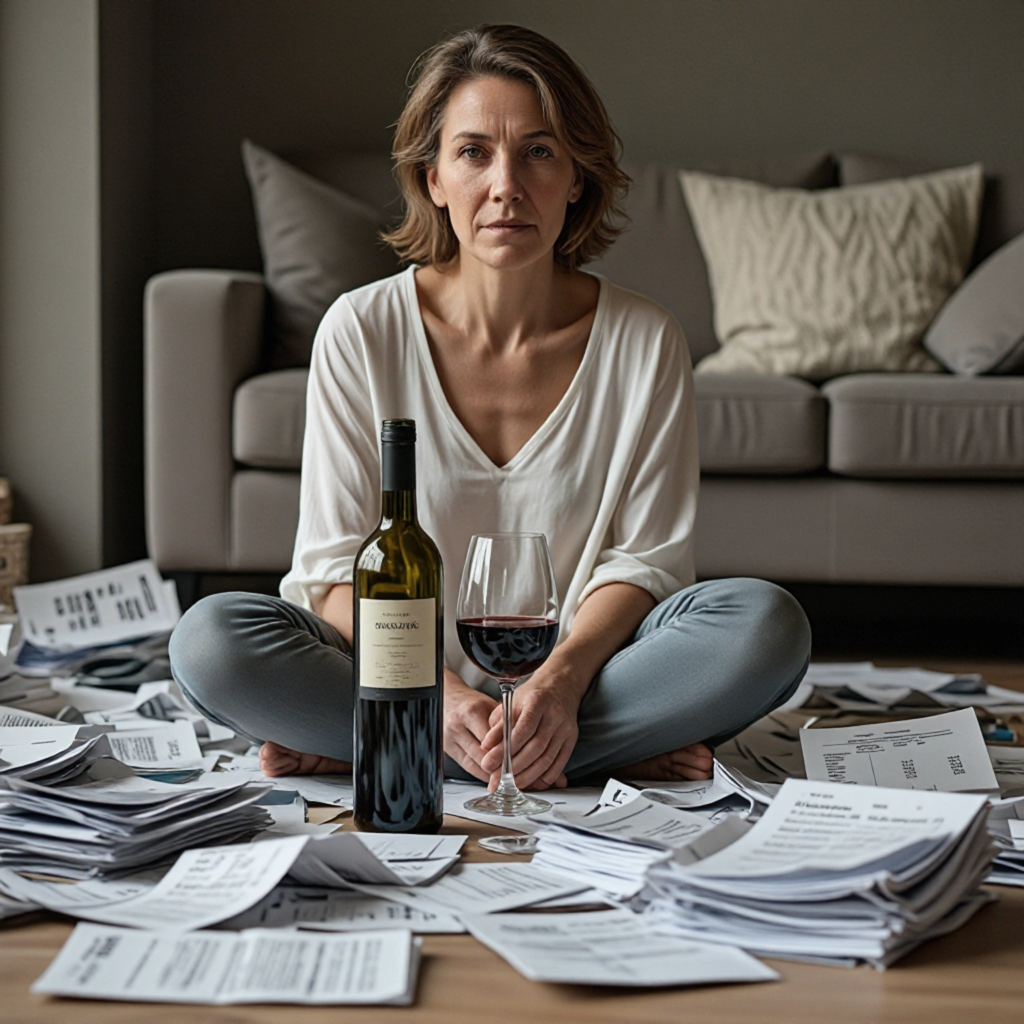
A tense adult sits amid a cluttered desk of papers, looking worried and exhausted, with wine on the table—stress signs in daily life.

Stress can sometimes build gradually until it reaches a point where everything begins to feel overwhelming. When this happens, even small tasks can feel difficult to manage. Common signs of overwhelm include: At this stage, trying to deal with everything at once often makes the situation feel worse. Instead, it can be helpful to slow down and create a structured approach. A simple plan can help break large problems into manageable steps. This might include: Many people find that once they begin following a clear plan, the feeling of overwhelm starts to reduce. If life currently feels overwhelming, you can get your free Plan of Action to help you deal with the stresses of life. Visit MyNewLife.org and complete the triage form explaining your situation, and begin taking practical steps toward improvement.

The Connection Between Stress and Sleep
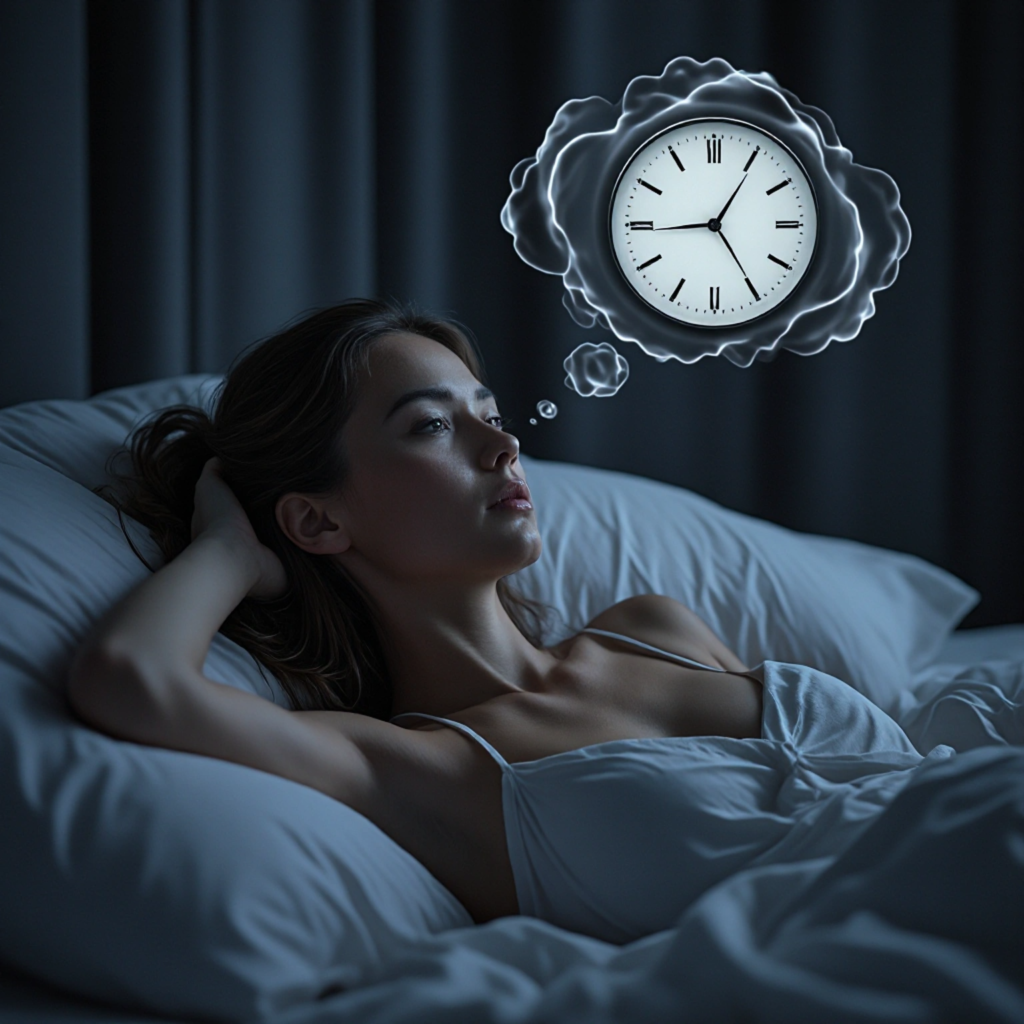
A woman lying in bed at night, overwhelmed by stress as a clock symbol floats overhead, suggesting constant pressure and trouble sleeping.

Stress and sleep are closely connected. When the mind is full of worries or racing thoughts, it can become difficult to relax enough to sleep properly. Many people experiencing stress notice problems such as: Unfortunately, lack of sleep can then increase stress levels the following day, creating a cycle that becomes harder to break. Improving sleep often begins with addressing the causes of stress during the day. Developing a plan for dealing with challenges can help quiet the mind at night. Practical steps may include: When people feel they have a plan for dealing with their situation, the mind often becomes calmer and sleep improves. If stress is affecting your sleep, you can get your free Plan of Action to help you deal with the stresses of life. Visit MyNewLife.org and complete the triage form explaining your situation, and begin exploring practical ways to restore balance.

How Your Thinking Patterns Can Increase Stress
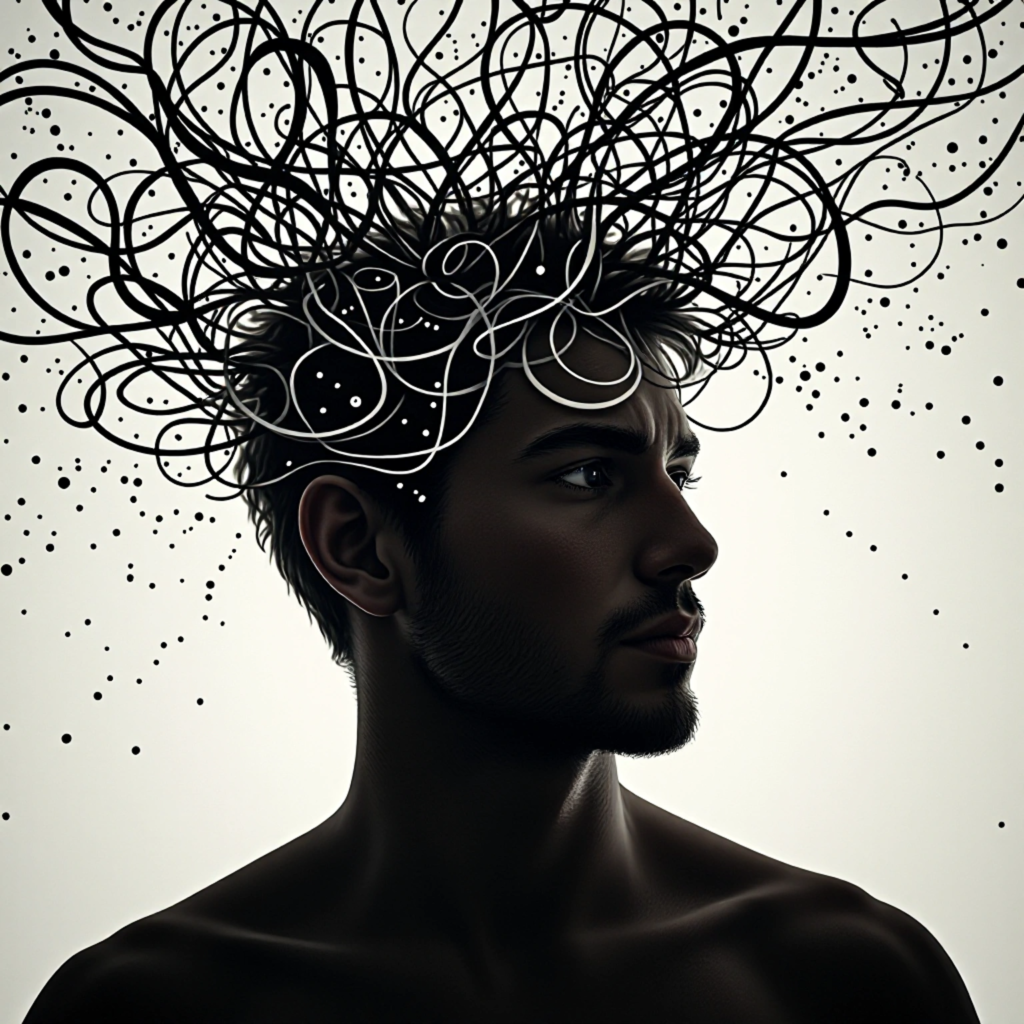
A side profile with tangled lines and dots swirling over the head, symbolizing stress and the mind–body response discussed in Understanding Stress.

Many people assume stress is caused only by difficult situations. But in reality, the way we think about situations can also increase stress levels. Our minds constantly interpret events around us. Sometimes these interpretations become negative habits that make situations feel more overwhelming than they really are. Examples of stressful thinking patterns include: Overthinking Repeating the same worries again and again. Catastrophising Assuming the worst possible outcome will happen. Negative Self-Talk Telling yourself things like “I can’t cope with this.” Jumping to Conclusions Assuming others have negative intentions without evidence. These thinking patterns can trigger the body’s stress response even when the situation itself may be manageable. The good news is that thinking habits can change. Many people find that when they step back and look at their situation clearly, they can begin to develop a practical plan for improving things. Creating a structured plan allows you to: If stress or worrying thoughts are affecting your wellbeing, you can get your free Plan of Action to help you deal with the stresses of life. Visit MyNewLife.org and complete the triage form describing your situation so you can begin exploring positive steps forward.

Simple Techniques to Reduce Stress Quickly

When stress builds up, even small actions can help restore calm and balance. Many people assume stress requires complicated solutions, but simple daily habits can make a big difference. Here are a few techniques that can quickly reduce stress levels. Slow Breathing Taking slow, deep breaths helps calm the nervous system and reduces the body’s stress response. Take a Short Break Stepping away from a stressful situation for a few minutes can help clear your mind. Move Your Body A short walk, gentle stretching, or light exercise can release tension and improve mood. Focus on the Present Moment Stress often comes from worrying about the future or replaying past events. Bringing attention back to the present can reduce mental pressure. Talk to Someone Sharing concerns with a trusted person can often make challenges feel more manageable. Small changes practiced regularly can help build resilience and make stressful situations easier to handle. If you would like to explore more ways of understanding and managing stress, helpful ideas can be found at MyNewLife.org.

Recognising the Signs That Stress Is Affecting You
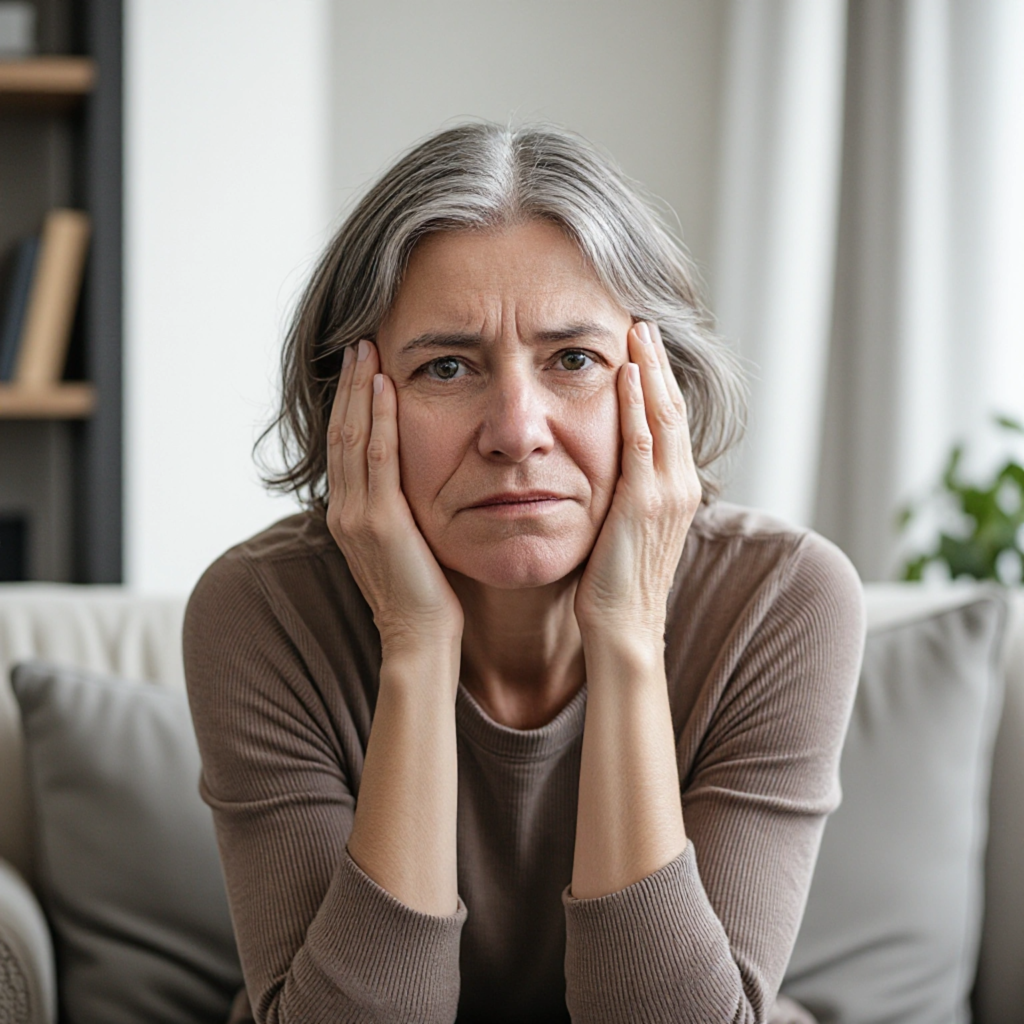
A person with grey hair and hands on their face, looking exhausted, as a sign of stress and its effects on body and mind in everyday life with ongoing stress.

Stress often develops gradually, which means many people live with it for a long time before recognising its effects. Learning to spot the signs early can help prevent stress from becoming overwhelming. Stress can show up in several ways. Physical Signs Emotional Signs Mental Signs Behavioural Signs Sometimes stress also affects behaviour: Recognising these signals is important because they act like warning lights. They tell us that something in our life may need attention or adjustment. Many people find that when they learn simple techniques to understand their thoughts and emotions, stress begins to reduce naturally. If stress is affecting your wellbeing, you can explore supportive ideas and practical guidance at MyNewLife.org, where you can discover ways to regain calm and emotional balance.

The Hidden Causes of Stress in Everyday Life

Stressed professional surrounded by clocks, phones, envelopes and papers, reflecting constant pressure, overwhelm and the impact of stress.

Work Pressure Deadlines, workload, or difficult colleagues can create tension and emotional strain. Financial Worries Money concerns are one of the most common causes of stress worldwide. Relationship Difficulties Misunderstandings, conflict, or lack of support can lead to emotional pressure. Too Much Information Constant emails, news updates, and social media notifications can overwhelm the mind. Trying to Do Too Much Many people feel they must always be busy or productive, leaving little time to rest. Negative Thinking Patterns Sometimes stress comes not just from situations themselves, but from how we interpret them. For example, thoughts like: These types of thoughts can increase the body’s stress response. Learning to recognise the sources of stress is the first step toward changing how we respond to them. By understanding what triggers stress, it becomes possible to develop new strategies that help restore balance and clarity. You can explore more practical approaches to managing stress and emotions at MyNewLife.org.

Understanding Stress – What It Is and Why It Matters
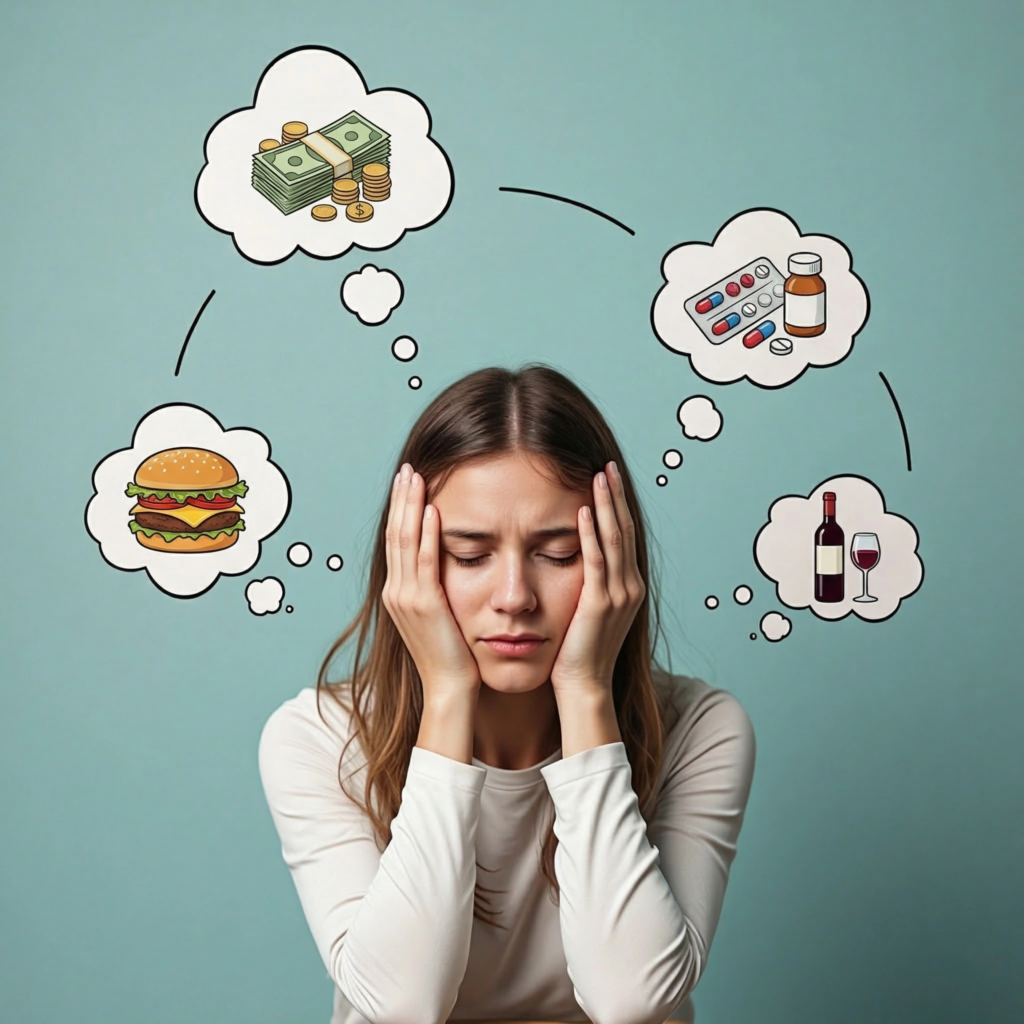
Feeling overwhelmed by stress, a young woman presses her temples while thought bubbles show money, food, medicine and alcohol concerns.

Stress is something almost everyone experiences at times. In small amounts it can actually be helpful, motivating us to solve problems or deal with challenges. However, when stress becomes constant it can start to affect our health, our relationships and our enjoyment of life. Modern life brings many pressures: When these pressures build up, the body and mind respond with stress. You might notice signs such as: Stress is not simply “in the mind.” The body also reacts through hormones such as cortisol and adrenaline, which prepare us to deal with challenges. When this reaction happens too often, it can leave us feeling exhausted and emotionally drained. The good news is that stress can be managed. Understanding the causes of stress is the first step towards reducing its impact. Many people discover that learning new ways to think about situations, respond to challenges, and manage emotions can dramatically reduce stress. If stress is affecting your life, you may find helpful ideas and guidance at MyNewLife.org, where you can explore ways to regain balance and create a calmer future.